
Stop Copying: Why Hyper-Personalization is the New Standard for AI Art
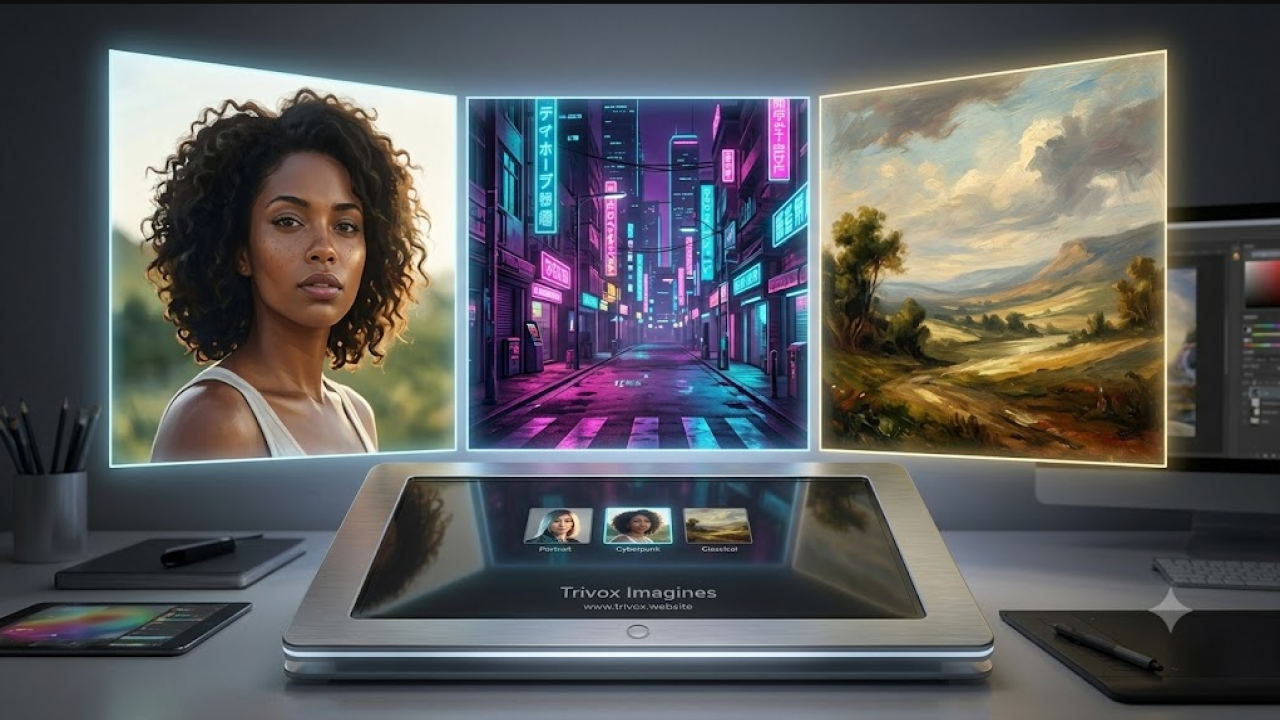
We’ve all seen it. The same glossy, plastic-looking portraits. The same generic cyberpunk cityscapes that populate every AI art gallery on the internet.
For a while, that was impressive. We were just happy the machine could draw anything at all. But as we settle into 2026, the novelty of "a cool image" has worn off. If you are still using generic prompts to churn out generic results, you aren't standing out—you're blending in.
The biggest trend right now? Hyper-personalization.
It’s no longer about whether your AI can generate a face; it’s about whether that face matches the specific, messy, beautiful reality of your brand.
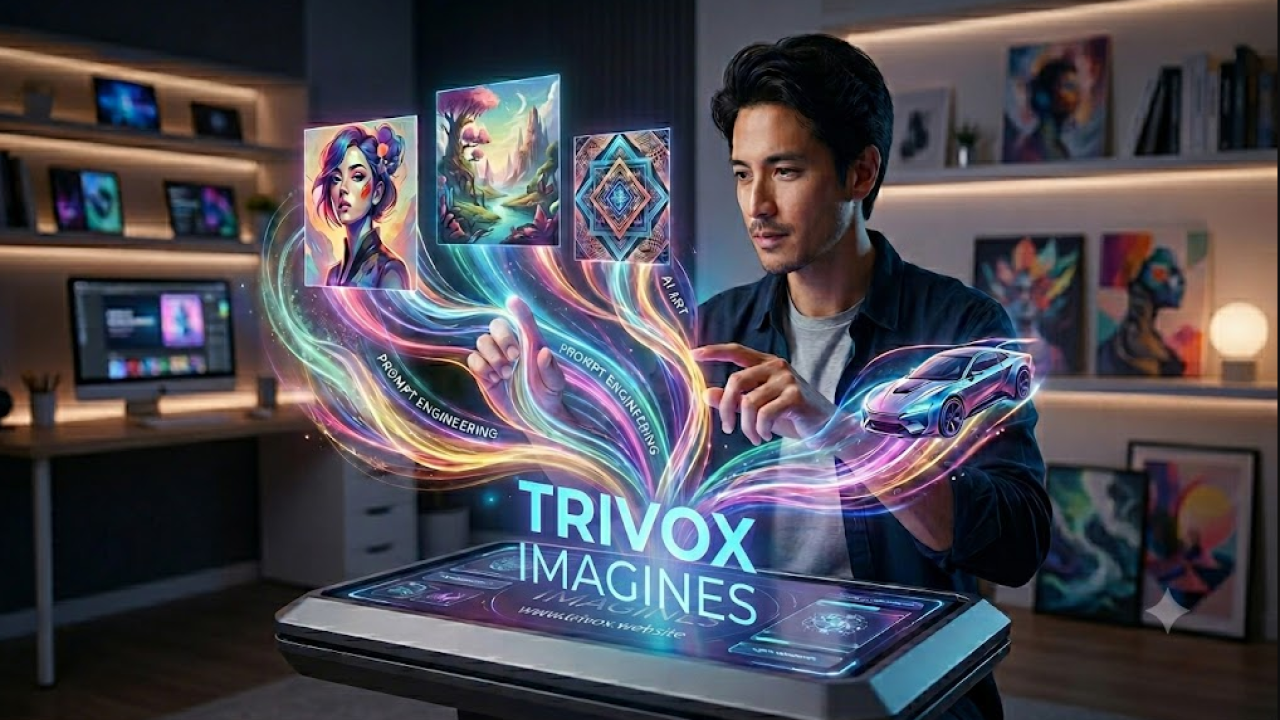
I’ve been watching how top-tier creators use tools like Trivox Imagines. They aren't looking for "cool." They are looking for specificity. They are feeding the model the exact lighting conditions of their office, the specific color palette of their products, and the unique quirks of their brand voice.
Think about it: Why use a stock image that could be used by ten thousand other companies when you can generate a visual asset that only exists for you?
If your visuals look like everyone else’s, your audience will treat you like everyone else.
The next time you open up Trivox Imagines, don’t just type "futuristic city." Tell the AI exactly where you are, what time of day it is, and what kind of mood you’re trying to build. Give it the context it needs to stop being a "generator" and start being your creative partner.
The age of the generic image is dying. Are you ready to get specific?


Comments (0)
No comments found