
Unlocking Creativity: The Ultimate Guide to AI-Generated Art & Prompt Engineering
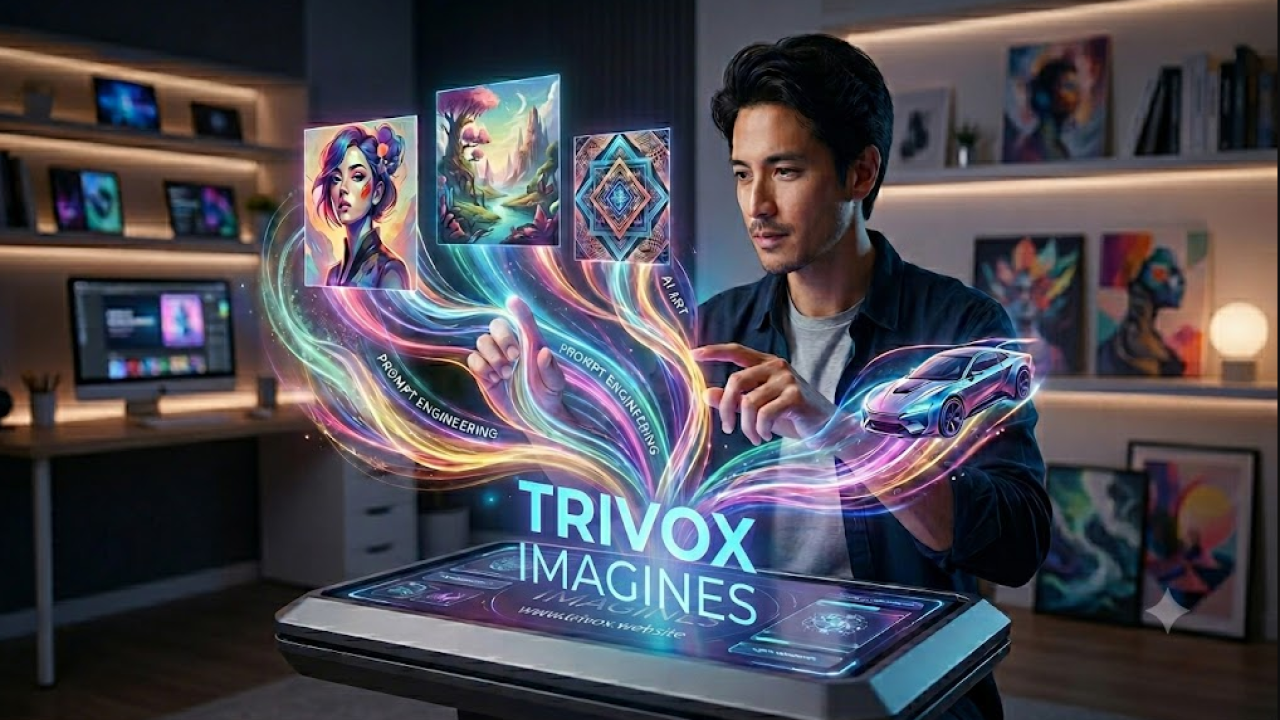
The landscape of digital creation has changed forever. With the rise of Artificial Intelligence, anyone—from professional designers to hobbyists—can turn a simple idea into a stunning visual reality. But how do you go from a basic, blurry output to a gallery-worthy masterpiece? The answer lies in Prompt Engineering.
In this comprehensive guide, we will explore the mechanics of AI art generation and how you can master this technology to create professional visuals in seconds using Trivox.
1. What is Prompt Engineering?
At its core, an AI image generator is a translation engine. It doesn't "think" like a human; it processes patterns based on your text input. A "prompt" is the instruction you give the AI.
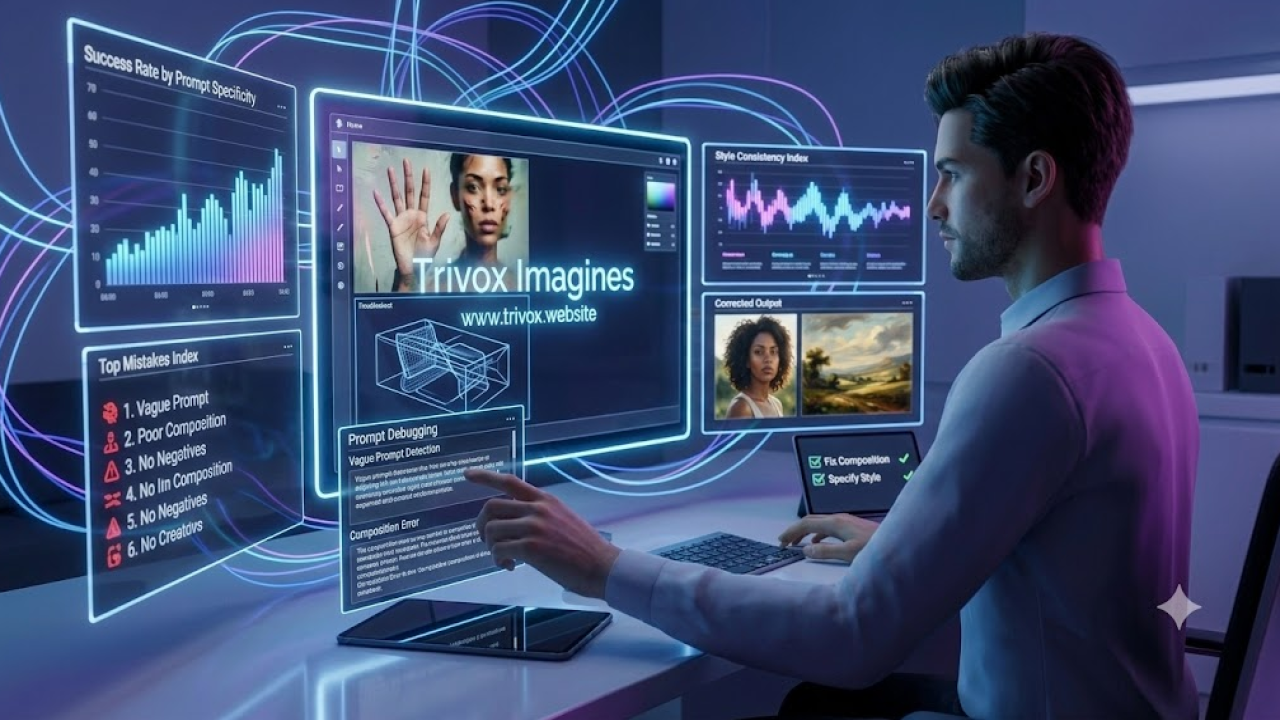
If you provide a vague prompt like "a dog," the AI will generate a random, generic image. If you provide a detailed prompt, you take control of the composition, lighting, style, and mood. That is the essence of Prompt Engineering.
2. The Golden Formula for Perfect Prompts
To get the best results from any AI tool, follow this structure:
[Subject] + [Style/Medium] + [Lighting & Composition] + [Details/Quality]
Subject: Define exactly what is in the scene (e.g., "A futuristic cityscape with flying vehicles").
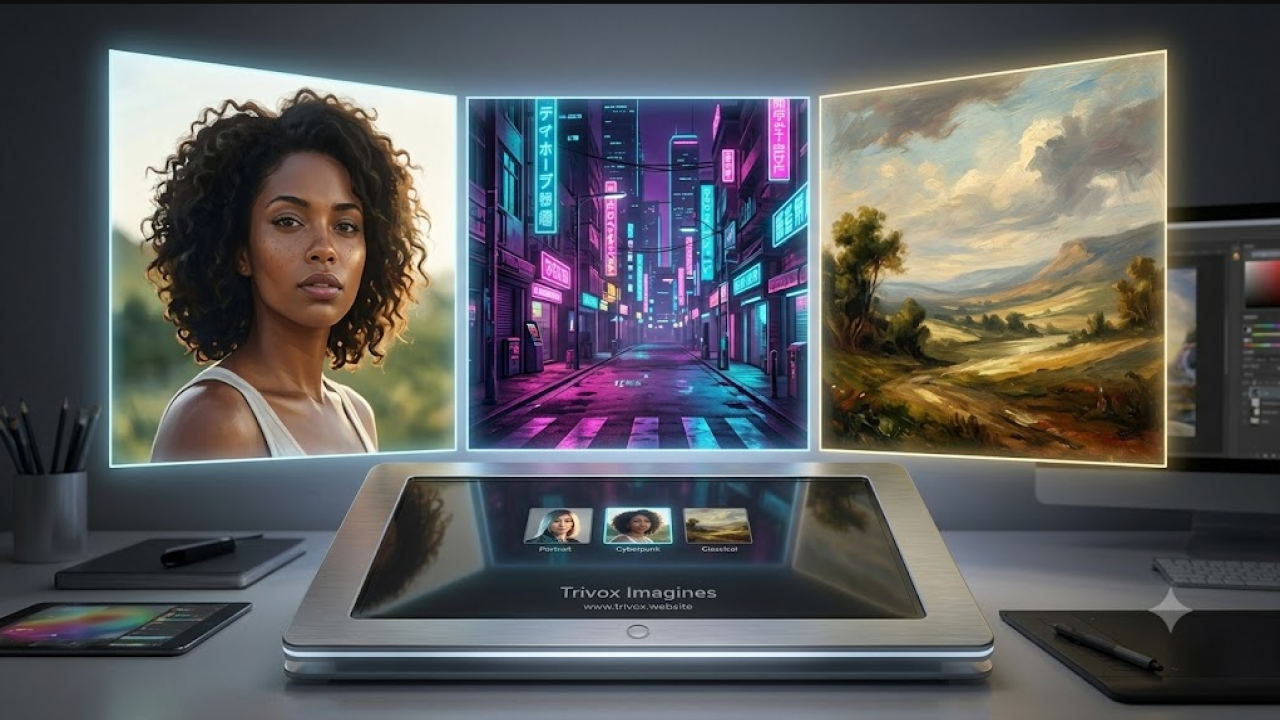
Style: Choose an artistic direction (e.g., "Cyberpunk," "Oil painting," "Minimalist photography," "3D render").
Lighting & Composition: This adds depth (e.g., "Cinematic lighting," "Golden hour," "Wide-angle shot," "Symmetrical").
Details: Add technical polish (e.g., "8k resolution," "Highly detailed," "Sharp focus," "Intricate patterns").
3. Why Use Trivox for Your Projects?
While there are many tools available, Trivox is built to bridge the gap between complexity and ease of use. Whether you are a business owner looking for social media assets, a content creator needing unique blog headers, or an artist looking for inspiration, Trivox provides a streamlined environment to bring your imagination to life without the technical clutter.
By using a dedicated, high-performance generator like Trivox, you ensure that your prompts are processed with precision, allowing you to iterate and refine your art until it matches your exact vision.
4. Practical Use Cases for AI Art
AI art isn't just for fun; it’s a powerful productivity tool:
Social Media Content: Stand out from the crowd with custom, non-copyrighted visuals for your posts.
Web Design: Create unique banner images or hero sections for your website.
Presentations & Blogs: Elevate your text-based content with visual storytelling that keeps your audience engaged.
Concept Art: Use AI to brainstorm logos, character designs, or architectural ideas before finalizing them.
5. Tips for Better Results
Start Simple, Then Iterate: Begin with a short description, then add descriptive adjectives until you reach the desired result.
Avoid Negatives: Focus on what you want in the image, rather than what you don't want.
Experiment: Don't be afraid to mix styles. Combining "Retro-futurism" with "Watercolor" can result in something truly unique.
Conclusion
AI art is no longer the future; it is the present. Mastering prompt engineering is a skill that will save you time, reduce your design costs, and unleash your creative potential.
Ready to transform your ideas into art? Head over to Trivox today and start generating high-quality images in seconds. The only limit is your imagination!
Comments (0)
No comments found